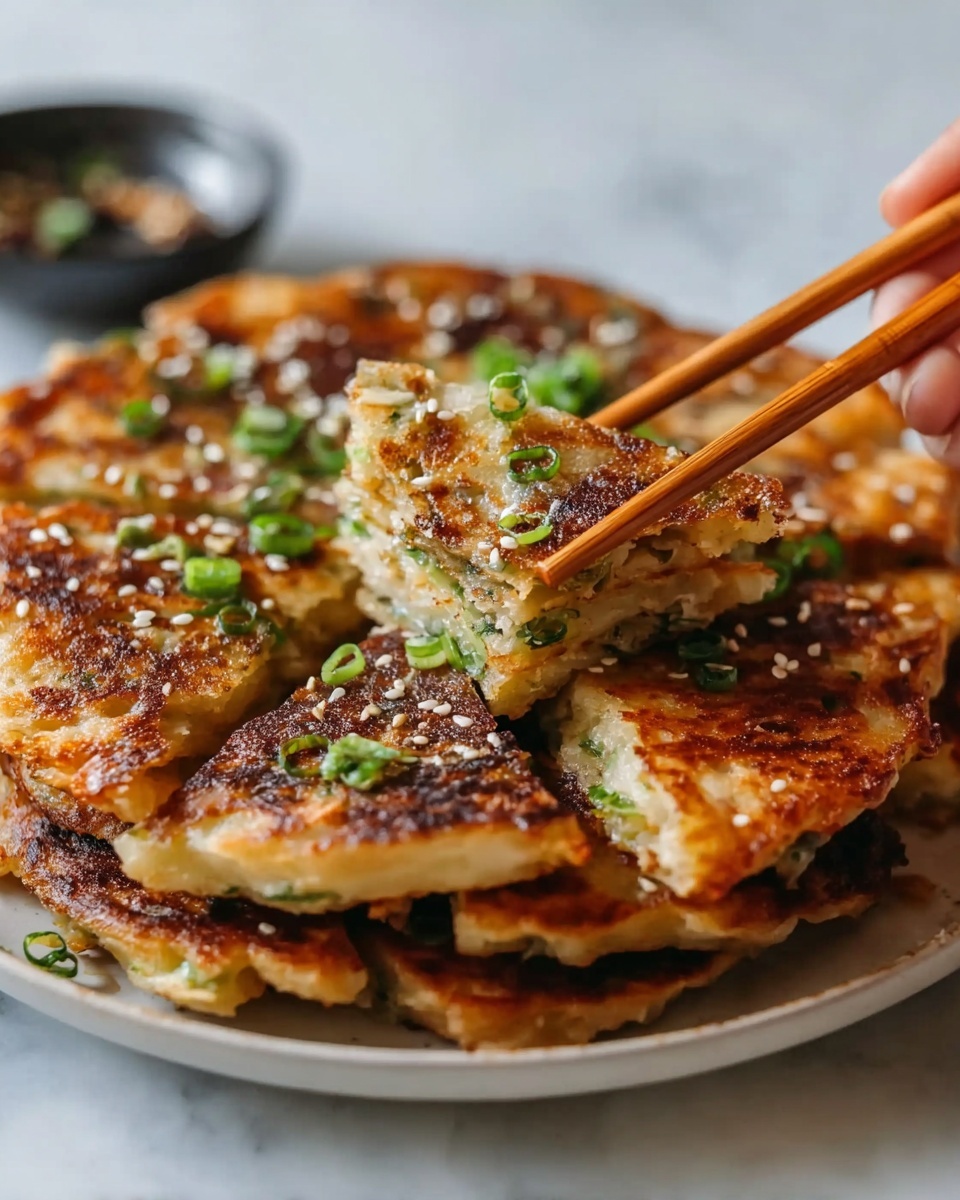
Korean Pancakes (Pajeon) Recipe

There’s something incredibly satisfying about making Korean Pancakes (Pajeon) that instantly feels like a cozy home-cooked treat. These savory pancakes are packed with fresh green onions and crisp vegetables, delivering a perfect balance of flavor and texture. Whether it’s a chilly evening or a casual weekend brunch, this Korean Pancakes (Pajeon) recipe never fails to impress with its crispy edges and tender inside.
I remember first trying Pajeon during a trip to Seoul, and it quickly became a comfort food obsession of mine. The beauty of this Korean Pancakes (Pajeon) recipe is how simple the ingredients are, yet it transforms into something delightfully crispy and flavorful with just a bit of oil and some careful flipping. Trust me, you’ll want to keep this recipe in your repertoire for when you crave something both easy and delicious.
Ingredients You’ll Need
The magic of Korean Pancakes (Pajeon) lies in the freshness and simplicity of the ingredients. Each element complements the other perfectly, and I always recommend using the freshest green onions you can find for that signature flavor punch.
- All-purpose flour: The base of the batter, it provides the perfect crispy-yet-chewy texture. You could try a mix with rice flour for an even lighter pancake.
- Water: Keeps the batter light and fluid, crucial for spreading the pancake thinly in the pan.
- Egg: Adds richness and helps bind the batter and veggies together.
- Green onions (scallions): The star ingredient—bright, fresh, and essential for true Pajeon flavor.
- Carrot: Adds a bit of sweetness and vibrant color. Julienne them thinly so they cook quickly.
- Zucchini: Adds moisture and a subtle earthy flavor, plus texture contrast.
- Salt: Enhances all the natural flavors, so don’t skip it.
- Black pepper: A little pepper goes a long way to add warmth and depth.
- Vegetable oil: You want a neutral oil with a high smoke point for frying—this helps get that golden crust without burning.
Variations
I love how flexible Korean Pancakes (Pajeon) are—you can easily customize them based on what you have on hand or your taste preferences. It’s a forgiving recipe that invites creativity.
- Seafood Pajeon: Adding shrimp, squid, or oysters transforms this into a special occasion recipe. Personally, I toss in chopped shrimp for a briny kick that I adore.
- Kimchi Pajeon: For a spicy twist, mix in some chopped kimchi. It adds a lovely tang and complexity, perfect if you enjoy heat.
- Gluten-free version: Try using a mix of rice and potato starch instead of all-purpose flour. Just be sure to adjust water slightly for batter consistency.
- Vegetable swaps: Feel free to add mushrooms, bell peppers, or even spinach. This is your kitchen playground, so experiment!
How to Make Korean Pancakes (Pajeon) Recipe
Step 1: Mix Your Batter Smoothly
Start by beating together the flour, water, and egg in a bowl. The key here is to get a smooth batter without lumps—that ensures your pancake cooks evenly and has that signature tender bite. I find a whisk works best to avoid overmixing, which can make the pancakes tough.
Step 2: Fold in the Fresh Veggies
Next, gently fold in your chopped green onions, julienned carrots, and zucchini. Make sure all the veggies are coated in the batter so each bite is flavorful. This step is where your pancake really starts to come alive with color and crunch.
Step 3: Season and Prepare for Frying
Add salt and pepper, then give everything one last mix. While you’ve got your skillet heating, pour about a tablespoon of vegetable oil and let it get hot but not smoking—medium heat is ideal. I usually test the oil by flicking a tiny bit of batter to see if it sizzles immediately.
Step 4: Fry Your Pancakes to Golden Perfection
Pour roughly ½ cup of batter into the pan and spread it out evenly into a pancake shape. Cook for about 3 to 4 minutes on one side until the edges crisp up and it’s golden brown. Flip carefully—using a wide spatula helps keep it intact—and cook the other side similarly. Be patient here; rushing the flip can break your pancake or make it soggy.
Step 5: Drain and Repeat
Transfer the cooked pancake to a paper towel-lined plate to drain any excess oil. Repeat with the rest of the batter, adding more oil as needed for consistent crispiness. You’ll notice the pancakes keep getting better as the pan heats up—just keep an eye on the oil and heat!
How to Serve Korean Pancakes (Pajeon) Recipe
Garnishes
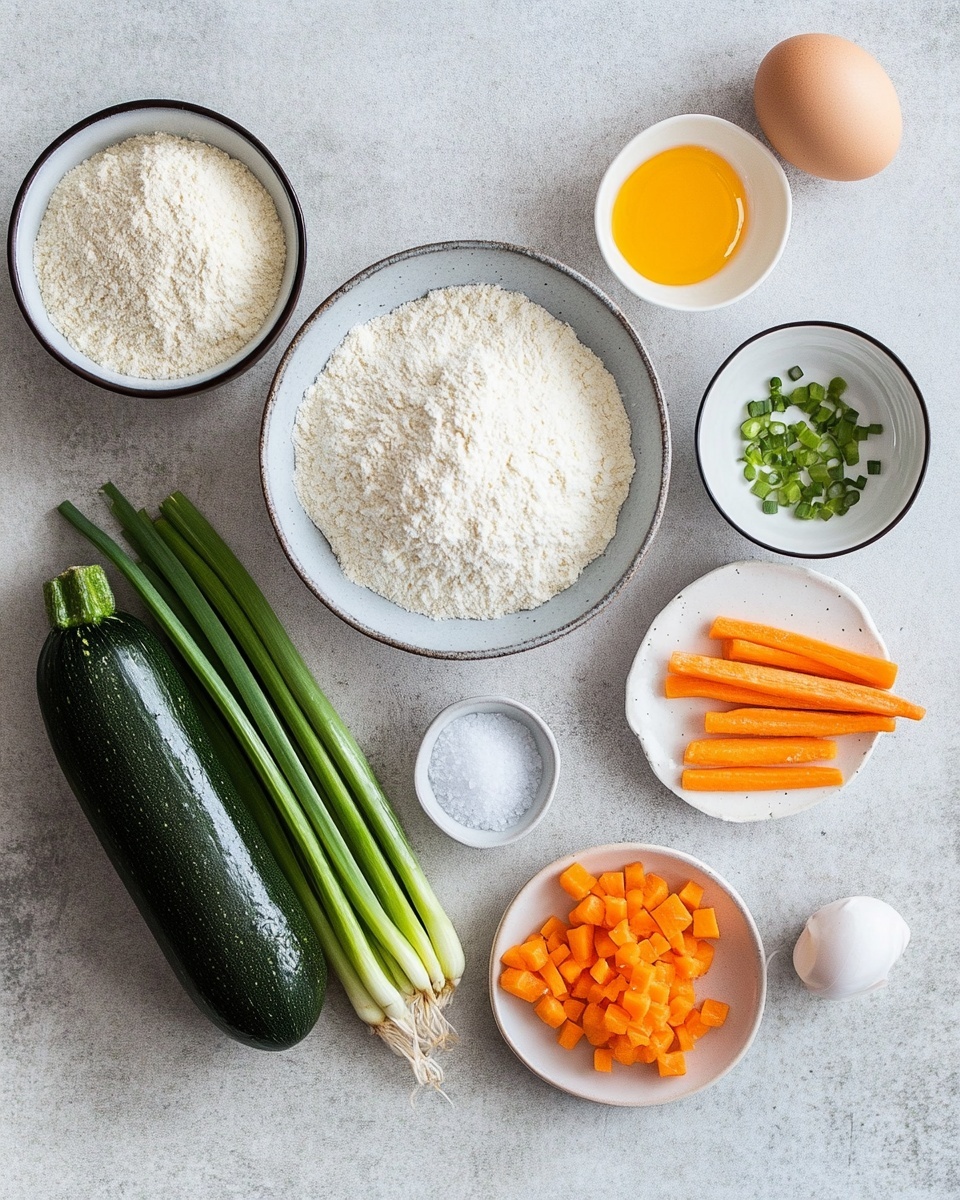
I love sprinkling some toasted sesame seeds and extra chopped green onions on top—adds a nice nuttiness and fresh crunch. A drizzle of a simple soy-vinegar dipping sauce is non-negotiable for me. It brightens the savory flavor and complements the crispy texture perfectly.
Side Dishes
For a full meal, pair your Korean Pancakes (Pajeon) with kimchi or a light cucumber salad to cut through the richness. A bowl of warm steamed rice rounds out the meal beautifully, making it satisfyingly hearty yet balanced.
Creative Ways to Present
For parties, I sometimes cut the pancakes into bite-sized squares and serve with mini dipping bowls of soy sauce and chili oil—everyone loves grabbing them as finger food! Layering them on a colorful platter with fresh herbs also makes for a stunning presentation.
Make Ahead and Storage
Storing Leftovers
If you end up with leftovers, I recommend laying the pancakes flat in an airtight container with parchment paper between them to prevent sticking. They’ll keep well in the fridge for up to 3 days, but I’ve found that crispness diminishes over time.
Freezing
Freezing Korean Pancakes (Pajeon) works great if you place them in a single layer on a baking sheet first and freeze until solid before stacking them in a freezer bag. This avoids clumping and lets you pull out just what you need easily.
Reheating
To bring back that crispy goodness, I reheat the pancakes in a hot non-stick pan with just a tiny bit of oil until warmed through and crunchy again. Microwaving tends to make them soggy, so avoid that if you can.
FAQs
-
Can I make Korean Pancakes (Pajeon) without green onions?
Green onions provide the distinctive flavor and aroma of Pajeon, but if you don’t have them, you can substitute with chives or leeks. Just be mindful that the flavor profile will slightly shift, but the pancakes will still turn out tasty.
-
What dipping sauce goes best with Korean Pancakes (Pajeon)?
A classic dipping sauce is a simple mix of soy sauce, rice vinegar, a splash of sesame oil, and a pinch of sugar or chili flakes. It balances salty, tangy, and spicy notes perfectly with the pancake’s richness.
-
How thin should I spread the batter for Korean Pancakes (Pajeon)?
Spreading the batter to about ¼-inch thickness is ideal. Too thin, and the pancakes might break easily; too thick, and they may not cook evenly or get crispy enough.
-
Can I prepare the batter ahead of time?
Yes! You can prepare the batter with the vegetables mixed in and keep it covered in the fridge for a few hours. Just give it a gentle stir before cooking as some settling may occur.
-
Are Korean Pancakes (Pajeon) gluten-free?
This recipe uses all-purpose flour, which contains gluten. To make a gluten-free version, substitute with rice flour or a gluten-free flour blend that fries well.
Final Thoughts
Honestly, Korean Pancakes (Pajeon) have become one of my go-to comfort foods because they’re quick to prepare, endlessly adaptable, and delicious every time. Sharing this recipe with you feels like introducing a little bit of Korean tradition into your kitchen—something simple yet special. When you make these, I hope they bring you the same joy and satisfaction they bring me, whether it’s a cozy night in or a get-together with friends.
Print
Korean Pancakes (Pajeon) Recipe
- Prep Time: 10 minutes
- Cook Time: 15 minutes
- Total Time: 25 minutes
- Yield: 4–6 pancakes 1x
- Category: Appetizer
- Method: Frying
- Cuisine: Korean
- Diet: Vegetarian
Description
This Korean Pancakes (Pajeon) recipe is a savory and crispy delight made from a simple batter of flour, water, and egg combined with fresh green onions, carrots, and zucchini. Fried to golden perfection, these pancakes are perfect as a snack, appetizer, or side dish, showcasing the vibrant flavors and textures of traditional Korean cuisine.
Ingredients
Dry Ingredients
- 1 cup all-purpose flour
- ½ teaspoon salt
- ½ teaspoon black pepper
Wet Ingredients
- 1 cup water
- 1 large egg
Vegetables
- 1 bunch green onions (scallions), chopped
- 1 small carrot, julienned
- 1 small zucchini, julienned
Other
- Vegetable oil (for frying)
Instructions
- Prepare the batter: In a bowl, combine all-purpose flour, water, and the egg. Mix until the batter is smooth and free of lumps to ensure an even texture.
- Add the vegetables: Fold in the chopped green onions, julienned carrots, and zucchini. Mix gently to coat the vegetables evenly with the batter without breaking them down.
- Season: Add salt and black pepper to taste, then mix well to distribute the seasoning throughout the batter.
- Heat the pan: Place a non-stick frying pan over medium heat and add a tablespoon of vegetable oil. Allow the oil to heat until shimmering but not smoking, ensuring an even fry.
- Cook the pancakes: Pour about half a cup of the batter into the hot pan, spreading it evenly to form a thin, round pancake shape. This helps it cook evenly and develop a crispy texture.
- Fry each side: Let the pancake cook for 3-4 minutes on one side until it turns golden brown, then carefully flip it over using a spatula. Cook the other side until it is also golden brown and cooked through.
- Drain and repeat: Once cooked, transfer the pancake to a plate lined with paper towels to drain excess oil. Repeat the frying process with the remaining batter until all pancakes are cooked.
Notes
- For extra flavor, you can add a dipping sauce made of soy sauce, vinegar, and a touch of sugar or chili flakes.
- Adjust the thickness of the batter by adding a little more water if needed for a thinner pancake.
- Make sure the pan and oil are hot enough before adding the batter to achieve a crispy texture.
- Use a non-stick pan to prevent sticking and ease flipping.
- Leftover pancakes can be reheated in a skillet over medium heat to retain crispness.
Keywords: Korean pancakes, Pajeon, savory pancakes, green onion pancakes, vegetable pancakes, Korean appetizer, easy Korean recipe