Omurice Recipe (Japanese Omelette-Topped Fried Rice) Recipe

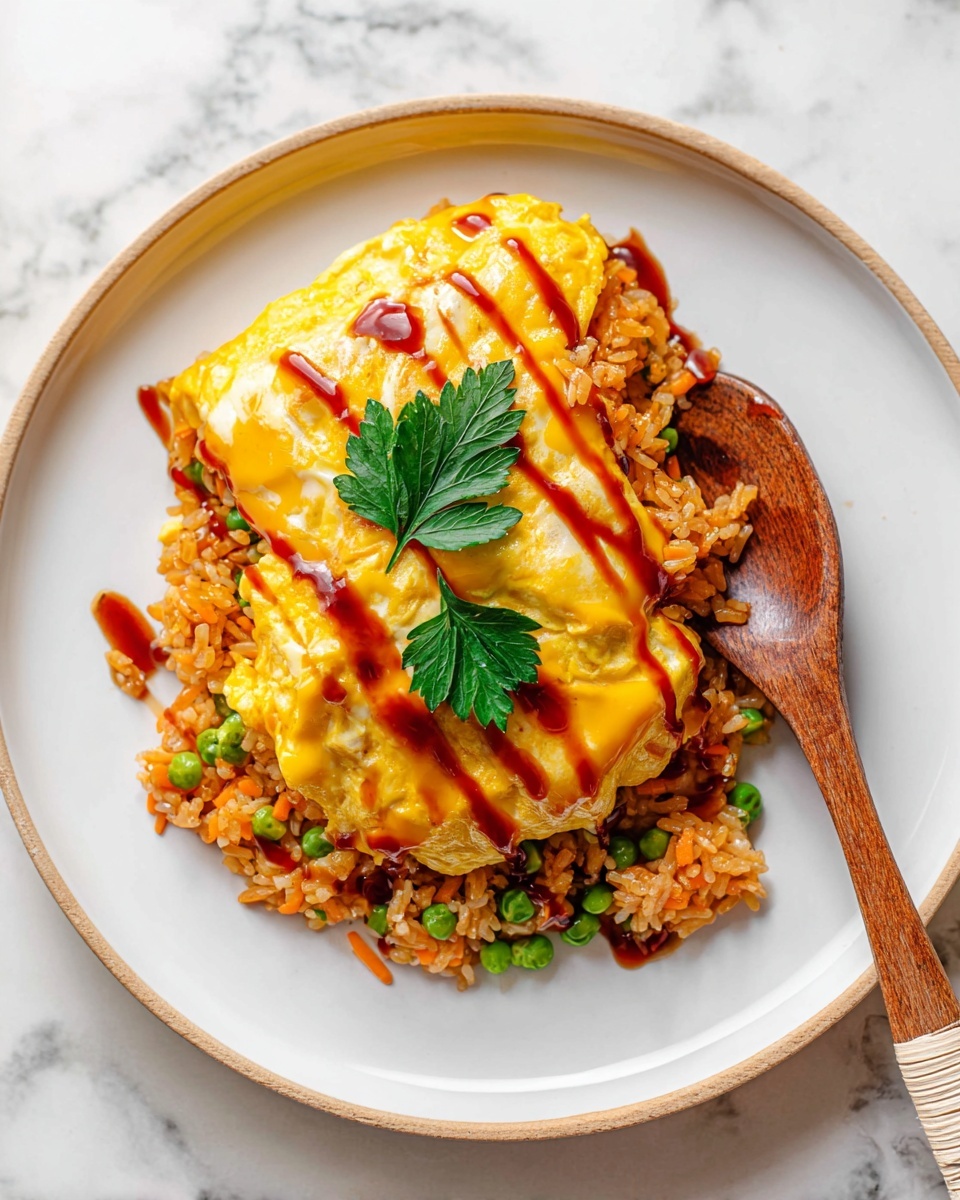
There’s something so comforting about a warm plate of Omurice, isn’t there? This Omurice Recipe (Japanese Omelette-Topped Fried Rice) Recipe is one of those dishes that feels special but is surprisingly simple to make at home. The combination of fluffy fried rice wrapped in a tender, silky omelette topped with a drizzle of ketchup just hits the spot every time. I often turn to this recipe when I want a quick, nostalgic meal that reminds me of cozy dinners or casual lunch dates.
What I love most about this Omurice Recipe (Japanese Omelette-Topped Fried Rice) Recipe is how versatile and forgiving it is. Whether you’re using leftover rice or whipping it up fresh, the flavors come together beautifully with minimal fuss. Plus, it’s a great way to sneak some veggies and protein into your plate without feeling like you’re making a fuss. You’ll discover it’s perfect for busy weeknights, leftover revamps, or even when you want something a little different to impress your friends.
Ingredients You’ll Need
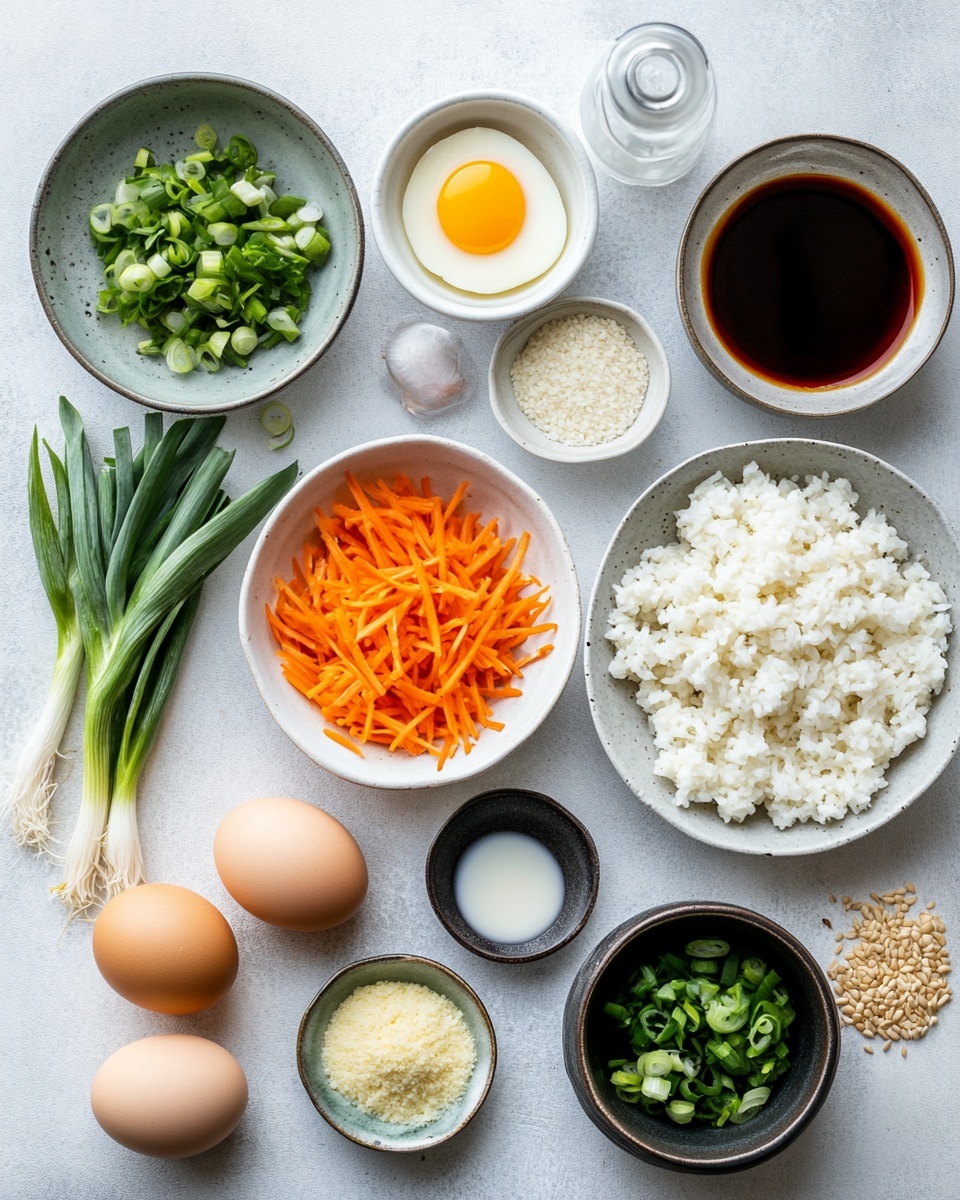
These ingredients work beautifully together in this Omurice Recipe (Japanese Omelette-Topped Fried Rice) Recipe, blending savory, sweet, and tangy notes in a way that’s both comforting and exciting. When you shop, pick fresh vegetables and good-quality chicken for best results — and make sure your rice is pre-cooked and cooled to get that perfect fried texture.
- Cooked white sushi rice: Using sushi rice is ideal because it’s sticky enough to hold together but not mushy. Leftover rice works perfectly!
- Vegetable or canola oil: Neutral oils like these allow the flavors of your ingredients to shine without overpowering them.
- Yellow onion: Minced finely to blend sweetness and a little crunch into every bite.
- Carrot: Adds a nice pop of color and a subtle earthy sweetness.
- Skinless, boneless chicken thigh: Tender and flavorful — thighs keep the dish juicy.
- Ketchup: The star ingredient for that classic tangy glaze, thinned slightly to meld smoothly with the rice.
- Scallion: Fresh and crisp, it brightens up the dish at the end.
- Kosher salt and freshly ground black pepper: Essential for seasoning and balancing flavors.
- Large eggs: Beaten with a pinch of salt for a perfectly tender omelette to top your fried rice.
- Kewpie mayonnaise: Optional but highly recommended — it adds a creamy, umami-rich finish that you’ll crave.
Variations
I’m all about making this recipe your own, so feel free to swap ingredients based on what you have or your preferences. Over the years, I’ve tried a few fun twists that really highlight how adaptable this Omurice Recipe (Japanese Omelette-Topped Fried Rice) Recipe can be.
- Vegetarian version: I swap out chicken for extra carrots, peas, and mushrooms — adds lovely earthiness and keeps it hearty.
- Spicy twist: Add a little sriracha or chili flakes into the ketchup mixture for a gentle heat I can’t resist.
- Seafood omurice: Shrimp or crab meat works wonderfully. I like to add a dash of soy sauce for a subtle savory note.
- Cheesy filling: Sometimes I sprinkle shredded cheese right inside the omelette before folding it over for extra gooey goodness.
- Use brown rice: For a nuttier flavor and whole grain option; keep in mind the texture will be a bit different but still delicious.
How to Make Omurice Recipe (Japanese Omelette-Topped Fried Rice) Recipe
Step 1: Sauté Your Veggies and Chicken
Start by heating 3 tablespoons of oil in your pan over medium heat — a good quality non-stick one works wonders here. Add the minced onion and diced carrot, stirring occasionally until they soften and become fragrant, about 3-4 minutes. Toss in the diced chicken thigh and cook until just browned and cooked through, which usually takes another 3-5 minutes. This step sets the flavor foundation, so don’t rush it!
Step 2: Add the Rice and Ketchup Mixture
Pour in your cooked sushi rice, breaking up any clumps with your spatula. Stir everything so the rice gets nicely coated with the veggies and chicken. Next, mix the ketchup with a tablespoon of water and add it to the pan, stirring well to evenly color the rice a lovely reddish hue. Season with salt and pepper to taste, then toss in the sliced scallion for a fresh pop of green. Cook for 1-2 more minutes until everything is heated through — this fried rice is the heart of your omurice, so make it delicious!
Step 3: Make Your Fluffy Omelette
In a separate skillet, heat the remaining 2 tablespoons of oil over medium heat. Pour in the beaten eggs seasoned with a pinch of salt. Gently swirl the pan so the eggs spread evenly, cooking until the edges start to set but the surface still looks slightly runny — this takes about 30-45 seconds. You want that soft, tender texture that folds beautifully over the fried rice.
Step 4: Assemble Your Omurice
Slide your cooked fried rice into the center or onto a plate shaped in a neat oval. Carefully place the omelette on top, folding the edges underneath to create that classic enveloped look. If you’re feeling fancy, use a spatula to shape it a bit. Finally, drizzle extra ketchup and a dollop of Kewpie mayonnaise on top for that authentic Japanese touch. Voila — you’re ready to dig in!
How to Serve Omurice Recipe (Japanese Omelette-Topped Fried Rice) Recipe
Garnishes
I love finishing mine with thinly sliced scallions and a sprinkle of black pepper. You can also throw on some chopped parsley or even a pinch of toasted sesame seeds for a little extra flair. The creamy drizzle of Kewpie mayo contrasts perfectly with the tangy ketchup — it’s those little touches that make this dish feel so special.
Side Dishes
Pair your omurice with a simple green salad with ginger dressing or a bowl of miso soup to keep things light and balanced. When I’m craving something cozy, I add steamed broccoli or roasted cherry tomatoes on the side. These sides help cut through the richness of the eggs and fried rice.
Creative Ways to Present
For a special occasion, I’ve tried using a ring mold to shape the fried rice perfectly before topping it with the omelette, giving the dish a restaurant-quality look. Another fun twist is making mini omurice in muffin tins — perfect for parties or kid-friendly lunches. Painting a zigzag or heart shape with ketchup on top adds a cute, playful vibe.
Make Ahead and Storage
Storing Leftovers
I’m a big fan of storing leftover fried rice separately in an airtight container in the fridge for up to 3 days. The omelette, however, is best eaten fresh for that perfect melt-in-your-mouth texture. If you’ve made extra, keeping the components separate keeps the texture intact for reheating later.
Freezing
I don’t usually freeze the whole omurice because the omelette can get rubbery, but the fried rice freezes like a champ! Just portion it into freezer-safe containers or bags and thaw overnight in the fridge before reheating.
Reheating
When reheating leftovers, give your fried rice a quick toss in a hot pan with a splash of oil or water to revive its texture and prevent dryness. If you have to reheat the omelette, do it gently over low heat or in the microwave covered with a damp paper towel to avoid overcooking.
FAQs
-
Can I use any type of rice for this Omurice Recipe (Japanese Omelette-Topped Fried Rice) Recipe?
While sushi rice is recommended for its perfect texture and stickiness, you can use other types like jasmine or long-grain rice. Just make sure your rice is cooked and cooled beforehand to avoid mushy fried rice. Day-old rice generally works best.
-
How do I make my omelette tender and not overcooked?
Cook the beaten eggs over medium heat, swirling them quickly and removing from heat when the surface is slightly runny but edges are set. The residual heat will finish cooking the omelette, keeping it soft and tender rather than rubbery.
-
Is Kewpie mayonnaise necessary for authentic flavor?
Kewpie mayo adds a unique umami-rich creaminess that’s classic in Japanese cooking. If you can’t find it, regular mayo works, but Kewpie really lifts the flavor if you want that authentic omurice experience.
-
Can I make this recipe vegetarian?
Absolutely! Simply omit the chicken and add extra vegetables like mushrooms, peas, and bell peppers. You can also incorporate tofu or plant-based proteins for added richness.
-
What’s the best way to serve leftover omurice?
Reheat the fried rice separately in a pan, then make a fresh omelette to top it. This keeps the texture much better than reheating the whole dish assembled. Garnish as usual with scallions, ketchup, and mayo for a fresh taste.
Final Thoughts
This Omurice Recipe (Japanese Omelette-Topped Fried Rice) Recipe is truly one of my favorite go-to dishes when I want something that feels both homey and a bit special. It’s easy enough for a quick weeknight dinner but impressive enough to serve when friends drop by. I hope you enjoy making and sharing this recipe as much as I do — it’s a wonderful way to bring a little taste of Japan into your kitchen with simple, everyday ingredients. Trust me, once you master this, omurice will likely become a regular favorite in your recipe rotation!
Print
Omurice Recipe (Japanese Omelette-Topped Fried Rice) Recipe
- Prep Time: 10 minutes
- Cook Time: 15 minutes
- Total Time: 25 minutes
- Yield: 2 servings 1x
- Category: Main Dish
- Method: Frying
- Cuisine: Japanese
Description
Omurice is a beloved Japanese dish featuring fluffy omelette wrapped over savory fried rice, often topped with ketchup and mayonnaise. This recipe combines tender chicken, vegetables, and ketchup-seasoned rice, all encased in a silky soft egg omelette. It’s a comforting and visually appealing meal perfect for breakfast, lunch, or dinner.
Ingredients
Rice and Vegetables
- 2 cups cooked white sushi rice (12 ounces; 350 g)
- 1/2 cup minced yellow onion (100 g; about 1/2 medium onion)
- 1/2 cup diced carrot (100 g; about 1 large carrot)
- 1 scallion, thinly sliced
Protein
- 3 ounces diced skinless, boneless chicken thigh (80 g; about 1/2 cup)
Seasonings and Sauces
- 5 tablespoons (75 ml) vegetable or canola oil, divided
- 1/4 cup ketchup (60 ml), thinned with 1 tablespoon (15 ml) water, plus more ketchup for serving
- Kosher salt and freshly ground black pepper, to taste
Eggs
- 4 large eggs, beaten with a pinch of salt
For Serving
- Kewpie mayonnaise
- Additional ketchup
Instructions
- Prepare the Fried Rice: Heat 3 tablespoons of vegetable oil in a skillet over medium heat. Add the minced onion and diced carrot, sautéing until softened and fragrant, about 3-4 minutes. Add the diced chicken thigh, cooking until no longer pink and cooked through, about 5-6 minutes. Stir in the cooked sushi rice, breaking up any clumps, and cook until heated through.
- Season the Rice: Add the thinned ketchup to the rice mixture and stir well to coat evenly. Season with kosher salt and freshly ground black pepper to taste. Stir in the sliced scallion, then remove the skillet from heat and set aside.
- Cook the Omelette: In a separate non-stick skillet, heat the remaining 2 tablespoons of vegetable oil over medium heat. Pour in half of the beaten eggs and tilt the pan to spread the eggs evenly. When the edges begin to set but the center is still soft, slide the omelette onto a plate. Repeat this step with the remaining eggs to create two omelettes.
- Assemble the Omurice: Place half of the fried rice onto the center of each omelette. Fold the sides carefully over the rice to encase it partially or completely. Optionally, gently flip the omelette over so the fold is on the bottom for a smooth appearance.
- Serve: Drizzle additional ketchup and a little Kewpie mayonnaise over the top of the omelette-topped fried rice. Serve immediately while hot and enjoy this comforting Japanese classic.
Notes
- Use day-old rice or freshly cooked rice cooled for a bit to prevent clumping while frying.
- You can substitute chicken thigh with chicken breast or diced ham for variation.
- Adjust ketchup quantity to taste for sweetness and tanginess in the fried rice.
- For a silkier omelette, cook eggs on medium-low heat and avoid overcooking to keep them tender.
Keywords: Omurice, Japanese omelette rice, fried rice with omelette, chicken fried rice, easy Japanese recipes, Ketchup rice, Kewpie mayonnaise