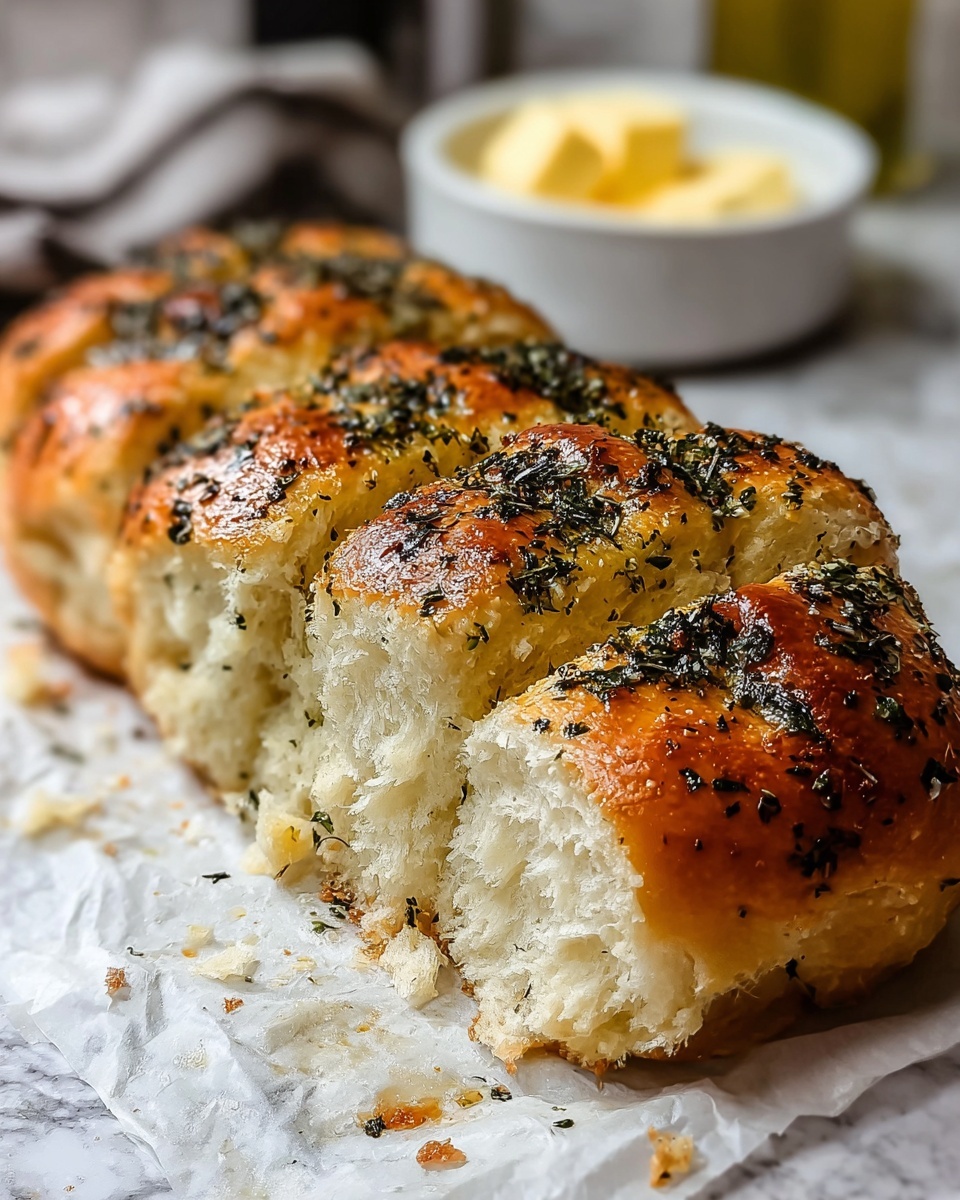
Garlic Parmesan Herb Bread Recipe

If you’re anything like me and have a soft spot for warm, buttery bread loaded with flavor, then this Garlic Parmesan Herb Bread Recipe is going to make your kitchen feel like the coziest spot in the house. It’s one of those recipes I reach for when I want to impress guests or just upgrade a simple weeknight meal with something special that’s easy to pull off. The combination of garlic, Parmesan, and herbs makes every bite irresistibly savory and comforting.
What I love most about this Garlic Parmesan Herb Bread Recipe is how versatile and forgiving it is. Whether you’re serving it alongside a hearty soup, a fresh salad, or just pulling it apart for a snack, it never disappoints. Plus, the aroma that fills the air as it bakes is honestly half the joy – it’s like a delicious welcome hug from your oven.
Ingredients You’ll Need
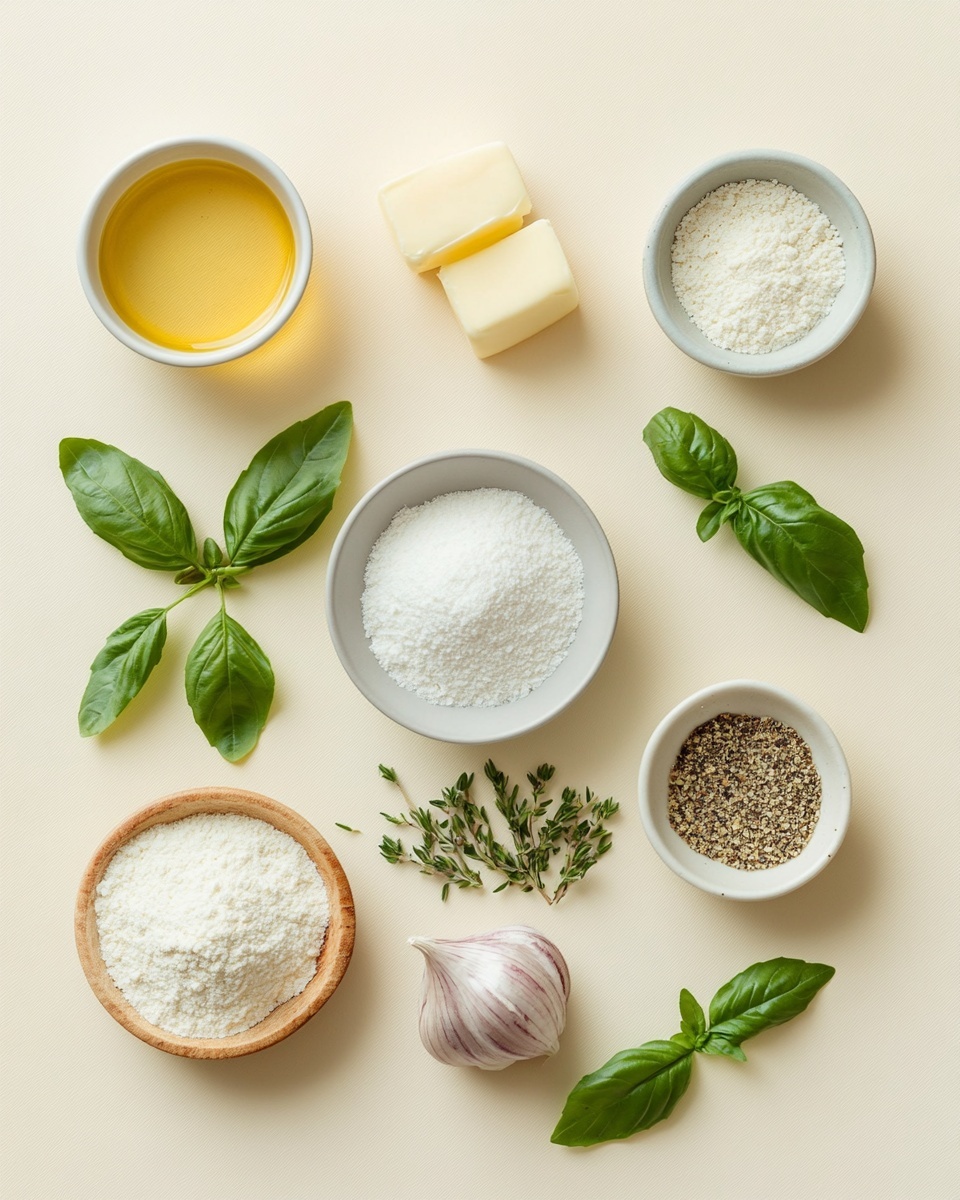
Each ingredient in this Garlic Parmesan Herb Bread Recipe plays a key role in building that classic flavor and perfect texture, so choosing fresh, good-quality herbs and cheese really pays off. You don’t need anything fancy; most of these items are pantry staples that come together like old friends.
- Salt: Essential for flavor balance; don’t skip it or the bread will taste flat.
- Warm water: Make sure it’s between 100-110°F to activate your yeast perfectly without killing it.
- Granulated sugar: Feeds the yeast and helps create that lovely rise and subtle sweetness.
- Instant dry yeast: The magic that makes your bread rise – fresh yeast works best, but instant is super convenient.
- Dried basil: Adds a sweet, aromatic herb note that pairs beautifully with garlic.
- Dried oregano: Brings a slightly sharp, earthy flavor that balances the richness.
- Dried rosemary: Strong and piney, rosemary gives each bite a fragrant punch.
- Garlic cloves: Finely chopped for maximum flavor dispersion throughout the dough.
- All-purpose flour: Provides structure; adding it gradually helps you manage the dough’s texture.
- Parmesan cheese: Grated fresh for that nutty, salty flavor that sets this bread apart.
- Butter: Use part to brush on top for richness and a golden crust.
- Olive oil: Greases the bowl and baking sheet to keep the bread from sticking while adding subtle flavor.
Variations
I love making this Garlic Parmesan Herb Bread Recipe my own by tweaking it depending on what mood I’m in or which ingredients I have on hand. Feel free to play around – the base is forgiving and always delicious!
- Cheese swap: If Parmesan is not your favorite, try sharp Asiago or aged cheddar for a different cheesy twist.
- Herb mix: Fresh herbs like thyme or parsley can brighten this up, especially in spring or summer.
- Garlic level: For a milder taste, roast the garlic beforehand; for bolder garlic lovers, add a bit more.
- Whole wheat flour: Substitute half the flour with whole wheat for a nuttier, heartier bread.
- Vegan adaptation: Swap butter with vegan margarine and omit cheese or use a plant-based Parmesan alternative.
How to Make Garlic Parmesan Herb Bread Recipe
Step 1: Activate your yeast like a pro
Start by combining the yeast, sugar, and warm water in a large bowl. Give it a gentle stir and then let it sit for about a minute until you see a foamy layer on top. This foam means your yeast is alive and kicking—if you don’t get foam, start over because that yeast might be too old or the water temperature was off.
Step 2: Mix in your herbs, garlic, and salt
Once your yeast mixture looks good, stir in the salt, dried herbs (basil, oregano, rosemary), and that beautifully chopped garlic. This combo is your flavor base, so make sure everything is evenly incorporated before moving on.
Step 3: Build your dough with flour and Parmesan
Add 2 cups of flour along with the grated Parmesan cheese and mix everything together. The dough will be sticky—that’s expected. Add more flour gradually while kneading until the dough feels soft and stretchy but not dry or crumbly. This step is key to getting that perfect chewy texture.
Step 4: Let the dough rise in a cozy spot
Lightly oil a clean bowl, pop your dough inside, and cover it with a towel or plastic wrap. Set it somewhere warm for about an hour until it nearly doubles in size. I usually put mine near a sunny window or atop my fridge — nice and cozy but not hot, ensuring a perfect rise.
Step 5: Shape and second rise
After the dough has risen, gently punch it down to release any large bubbles. Then divide it into two equal balls and shape them into rounds. Place these on a baking sheet greased with olive oil and cover loosely for 15 to 20 minutes so they get a little puffier. This second rise helps create that soft interior crumb.
Step 6: Butter up and bake to perfection
Brush the tops of each dough ball with about half a tablespoon of butter to encourage browning and rich flavor. Bake them in a preheated 375°F (190°C) oven for 18-20 minutes, or until golden on top and they sound hollow when you tap the underside. That’s the classic “bread done right” test I swear by.
Step 7: Cool slightly before slicing
Remove the bread from the oven and let it rest on a cooling rack for a few minutes. This short wait helps the crumb set so when you slice it, you get beautiful, soft but not gummy slices. I find it’s best warm—spread a little extra butter and enjoy!
How to Serve Garlic Parmesan Herb Bread Recipe
Garnishes
I often sprinkle a little extra grated Parmesan or chopped fresh parsley on top right after baking to add a fresh pop of color and flavor. Sometimes a tiny drizzle of high-quality olive oil or a sprinkle of sea salt takes this bread to the next level.
Side Dishes
This bread pairs beautifully with almost anything. I especially love it alongside tomato basil soup, creamy chicken Alfredo, or a vibrant mixed greens salad. It also makes a perfect vehicle for dips like spinach artichoke or roasted red pepper hummus.
Creative Ways to Present
For a cozy dinner party, slice the garlic Parmesan herb bread into thick wedges and serve in a rustic basket lined with a linen napkin. Or pull apart tea bread style and arrange on a board with cheeses and charcuterie. It’s always a crowd-pleaser!
Make Ahead and Storage
Storing Leftovers
I usually wrap leftover bread in foil or place it in an airtight container and keep it at room temperature for up to two days. This way, it stays soft without drying out, perfect for quick snacks or sandwiches the next day.
Freezing
This Garlic Parmesan Herb Bread Recipe freezes beautifully. Just freeze the whole loaf or individual slices in a freezer bag with air squeezed out. When you want more, simply thaw it at room temperature or pop it straight in the oven.
Reheating
The easiest way I reheat leftover garlic Parmesan herb bread is by wrapping it in foil and warming it in a 350°F oven for about 10 minutes. It refreshes the crust and melts the butter a bit, almost like freshly baked all over again.
FAQs
-
Can I use fresh herbs instead of dried in the Garlic Parmesan Herb Bread Recipe?
Absolutely! Fresh herbs work wonderfully but reduce the quantity since they’re more potent. A good rule of thumb is to use about three times the amount of fresh herbs compared to dried. Just chop them finely and mix them in during the dough preparation for that fresh herbal burst.
-
What can I substitute if I don’t have Parmesan cheese?
If Parmesan is out, Pecorino Romano or Asiago cheeses make excellent substitutes with similar salty, nutty flavors. For a dairy-free option, nutritional yeast can add a cheesy flavor, though the texture will be a bit different.
-
How do I know if my yeast is still good for this recipe?
Testing yeast by proofing it in warm water with sugar is the best method. If it foams and bubbles within 5-10 minutes, it’s good to go. If not, it’s best to replace it to ensure your bread rises properly.
-
Can I make the dough ahead of time and refrigerate it?
You sure can! After kneading, cover the dough tightly and place it in the fridge for up to 24 hours. When ready, let it come to room temperature and rise as usual before baking. This slow rise can actually deepen the flavor.
Final Thoughts
This Garlic Parmesan Herb Bread Recipe has become my go-to whenever I want to elevate a meal or treat friends with something homemade and heartfelt. It’s approachable, flavorful, and has that perfect golden crust with a tender crumb inside — just like comfort food should be. Give it a try, and I promise it’ll become your favorite bread too, baking all those cozy memories right into every slice.
Print
Garlic Parmesan Herb Bread Recipe
- Prep Time: 15 minutes
- Cook Time: 20 minutes
- Total Time: 1 hour 35 minutes
- Yield: 2 loaves 1x
- Category: Bread
- Method: Baking
- Cuisine: Italian
Description
This Garlic Parmesan Herb Bread is a deliciously soft and flavorful homemade bread infused with garlic, parmesan cheese, and a blend of aromatic herbs. Perfectly baked to a golden crust, it makes a wonderful side for soups, salads, or as a savory snack on its own.
Ingredients
Dry Ingredients
- 1 teaspoon salt
- 1 tablespoon granulated sugar
- 1 tablespoon instant dry yeast
- 1 teaspoon dried basil
- 1 teaspoon dried oregano
- 2 teaspoons dried rosemary
- 2 to 2½ cups all-purpose flour
- ⅓ cup parmesan cheese, grated
Wet Ingredients
- 1 cup warm water (about 100-110°F)
- 6 cloves garlic, finely chopped
- 1 tablespoon butter (split for topping)
- 2 tablespoons olive oil
Instructions
- Activate Yeast: Combine the instant dry yeast, granulated sugar, and warm water in a large bowl. Let it sit for about a minute until the mixture becomes foamy, indicating the yeast is active.
- Mix Seasonings: Stir in the salt, dried basil, dried oregano, dried rosemary, and finely chopped garlic until the mixture is evenly blended.
- Form Dough: Add 2 cups of all-purpose flour and the grated parmesan cheese into the bowl. Mix thoroughly to form a sticky dough.
- Knead Dough: Gradually add more flour while mixing until the dough becomes soft and stretchy, but not too dry.
- First Rise: Lightly oil a bowl with olive oil, place the dough inside, then cover with a towel or plastic wrap. Allow the dough to rise in a warm place for about one hour or until it has doubled in size.
- Prepare Oven and Baking Sheet: Preheat your oven to 375°F (190°C). Grease a baking sheet with olive oil to prevent sticking.
- Shape Bread: Gently punch down the risen dough to release air. Divide the dough into two equal balls, shape each into rounds, and place them on the prepared baking sheet.
- Second Rise: Cover the dough rounds loosely and let them rise again for 15-20 minutes until slightly puffed.
- Apply Butter: Brush half a tablespoon of melted butter over the top of each dough round to enhance browning and flavor.
- Bake: Place the baking sheet in the preheated oven and bake for 18-20 minutes, or until the bread is golden brown and sounds hollow when tapped on the bottom.
- Cool and Serve: Remove the bread from the oven, transfer it to a cooling rack, and allow to cool slightly. Serve warm, optionally with additional butter or alongside your favorite soup.
Notes
- Use warm water between 100°F to 110°F to properly activate the yeast without killing it.
- Do not add too much flour; the dough should be soft and slightly sticky for best texture.
- Letting the dough rise properly is critical for a light and airy bread.
- If desired, substitute parmesan with another hard cheese like asiago for a different flavor twist.
- Store leftover bread in an airtight container for up to 3 days or freeze for longer storage.
Keywords: Garlic bread, Parmesan bread, Herb bread, Homemade bread, Italian bread, Savory bread